Beach Dog Photography on the South Shore: Locations, Timing, and What to Expect
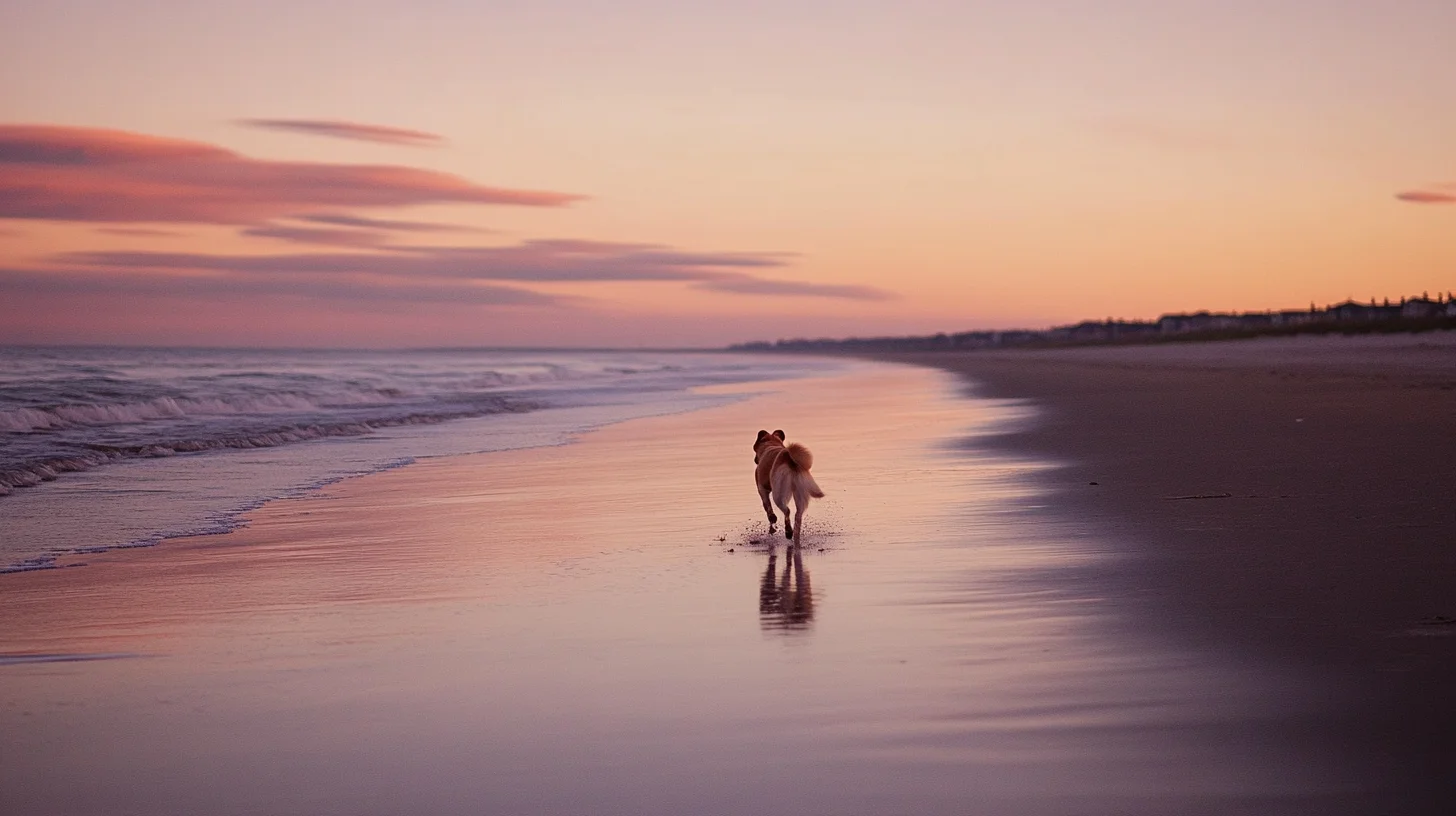
Beach sessions are the most requested outdoor location type on the South Shore — and for good reason. The combination of open sky, infinite horizon, reflective wet sand, and the visual drama of a dog at the water's edge produces portraits that no inland location can match. But beach photography has real technical and logistical challenges, and the results depend heavily on timing, tidal conditions, and location selection. Here's everything you need to know.
I've photographed dogs on every major South Shore beach across every season, and the variation is enormous — not just between locations but between different times of day, different tidal states, and different seasons at the same beach. The Duxbury Beach I photograph in October at low tide at 7 a.m. looks almost nothing like the same stretch of sand at noon in July. Understanding that variation is what separates a good beach session from a great one.
Duxbury Beach — The Premier South Shore Beach Location
Duxbury Beach is, without question, my first recommendation for South Shore beach dog photography. The barrier beach north of Powder Point Bridge gives miles of uninterrupted shoreline with a clean Atlantic horizon, no development in the background, and the characteristically flat, wide profile of a barrier beach that gives you maximum compositional flexibility.
The beach is long and uncrowded off-season, which is when the best photography happens anyway. Dogs are permitted in most sections off-season from roughly October through April — check current Town of Duxbury regulations before your session, as the specific dates can vary year to year. The permit requirements are worth navigating because Duxbury Beach is simply one of the finest dog portrait locations in eastern Massachusetts.
The tidal flats at low tide are particularly special. When the tide recedes at Duxbury, it exposes an enormous expanse of flat, wet sand that creates mirror-like reflections of the sky and horizon. A dog standing on this surface appears to be floating above a reflection of the clouds — it's one of the most visually striking effects available in New England coastal photography, and it's only possible in a narrow tidal window. I plan my Duxbury sessions specifically around this. More on sessions in this area at my Duxbury dog photographer page.
Third Cliff and Peggotty Beach (Scituate)
If Duxbury Beach is about open horizon and clean Atlantic vistas, Scituate's rocky shoreline sections offer something categorically different — dramatic foreground interest, textural complexity, and the visual depth that boulder fields and tidepools create. Third Cliff and the rocky sections near Peggotty Beach have granite boulder fields that catch the low-angle light beautifully and give portraits an entirely different character than flat-sand beach work.
I use the Scituate rocky sections when clients want a “wild coast” aesthetic — something that feels more rugged and elemental than a flat sand beach. Large dogs — Labs, Bernese Mountain Dogs, Huskies, German Shepherds — look extraordinary on these boulders. The scale contrast between a big dog and the massive granite slabs creates compositional drama that's genuinely hard to achieve anywhere else locally.
Dogs need to be on leash at these locations, and the footing can be challenging on wet rock, so I don't recommend this terrain for dogs with mobility issues. But for athletic dogs with confident footing, the Scituate rocky sections produce some of my most requested portfolio images. Details at my Scituate dog photographer page.
Nantasket Beach (Hull)
Hull's broad beach on Nantasket Avenue is accessible year-round and has a classic New England seaside character that makes it feel immediately familiar and evocative. The carousel building background, the long flat sand at low tide, the open Atlantic to the east — it's a location with real visual personality that distinguishes it from generic beach portraits.
Off-season weekday mornings are quiet enough for a full session at Nantasket. The beach is broad and flat, which makes it accessible for dogs of all mobility levels. The characteristic angle of winter and fall light from the south gives the beach a warm, golden quality in the morning hours that I find consistently beautiful.
Hull as a peninsula also offers some of the most interesting bay and harbor views on the South Shore — the Boston skyline is visible across the water on clear days, and the combination of the harbor, the beach, and the characteristic Hull architecture creates portraits that are unmistakably “South Shore coast” in the best way. More on sessions in Hull at my Hull dog photographer page.
Tidal Timing — The Most Important Variable
Of all the variables in beach photography — light direction, season, location, weather — tidal timing is the one that most dramatically separates good sessions from great ones, and it's the one that clients most consistently overlook.
The best beach sessions happen in the two hours around low tide. Here's why: wet, flat sand at low tide reflects sky and horizon. It creates a mirror effect that makes even a simple portrait look dramatic and painterly. A dog standing on wet reflective sand appears to exist at the intersection of sky and earth — it's a composition that's technically straightforward but visually extraordinary. This effect only exists at low tide.
High tide on a narrow beach leaves you with very limited terrain: the water is too deep to stand in, the dry sand above the tide line is unremarkable, and the reflective wet-sand zone doesn't exist. I've done high-tide beach sessions that produced beautiful images, but they required working harder to find interesting compositional elements.
I schedule all beach sessions specifically around tidal windows. This sometimes means unusual session times — a 6 a.m. start in autumn, or a late-afternoon session in March when the tide cycles align with the golden hour. I communicate tidal timing to clients during booking so there are no surprises.
Protecting the Camera and Managing the Dog
Beach photography has real equipment challenges that affect what I can do and how I work. Salt spray is hard on camera equipment — it coats glass, infiltrates seals, and can cause long-term damage to electronics. I use weather-resistant bodies and lenses, apply protective covers when the spray is significant, and clean glass between shots with a dedicated cloth. This is part of why hiring a professional for beach sessions makes sense: I've invested in equipment that can actually survive the environment.
On the dog management side: dogs who have never seen the ocean are often genuinely startled by wave sound. The continuous boom of surf, the salt smell, the moving water approaching underfoot — it's a lot of sensory input for a dog encountering it for the first time. My approach is always to arrive early, let the dog explore on a long leash, and work toward the water gradually without forcing proximity. Most dogs are comfortable and curious within 15 minutes; some take longer. I build buffer time into beach sessions specifically for this.
Water-loving dogs — Labs, Portuguese Water Dogs, Irish Water Spaniels — often need the opposite management: keeping them out of the water long enough to get dry, composed portraits before they inevitably get wet. Some of my favorite beach images feature dogs mid-leap into the surf, but those are earned by building rapport first.
The Best Season for Beach Photography on the South Shore
The answer most people don't expect is fall. September through November, dogs are permitted on most South Shore beaches, the light is lower and warmer than summer, the crowds are entirely gone, and storm-cleared autumn air makes the Atlantic horizon sharp and vivid. The quality of fall beach light — that particular low-angle golden quality that comes when the sun is southerly — is something I actively plan around every autumn.
Summer beach photography has real appeal and I do it regularly, but the challenges stack up: heat stress for dogs (especially in the afternoon), crowded beaches with other dogs and beachgoers in the background, and the flat quality of high-sun midday light that summer morning sessions only partially avoid. Summer beach sessions that work well are typically early morning starts with the tide in the right phase.
Winter beach sessions are underrated. The light is extraordinary — low, warm, and long even at midday. The beaches are completely empty. The dramatic cloud formations of a New England winter give the sky compositional interest that flat summer skies lack. If your dog can handle the cold, a January or February morning on Duxbury Beach at low tide produces portraits that are genuinely unlike anything from any other season.
For more on South Shore locations across all seasons, see my South Shore dog photo locations guide, and for fall specifically, my fall dog photography guide covers the coastal and inland options in detail.
Ready to book your beach session?
Sessions start at $395. I'll help you pick the right location and time for your dog.
Book a session →Related guide: Spring Dog Photo Spots — South Shore — spring blooms, location picks, and the best south shore spots for spring sessions.
“Chris created a fun and easy photography experience with my dog. He quickly understood his personality and got beautiful shots. I would definitely recommend him to anyone looking for a dog photographer.”
For practical access rules, parking, and off-season hours, see the dog-friendly beach access guide for the South Shore.
Need more session ideas beyond the beach? See 47 dog photography ideas.
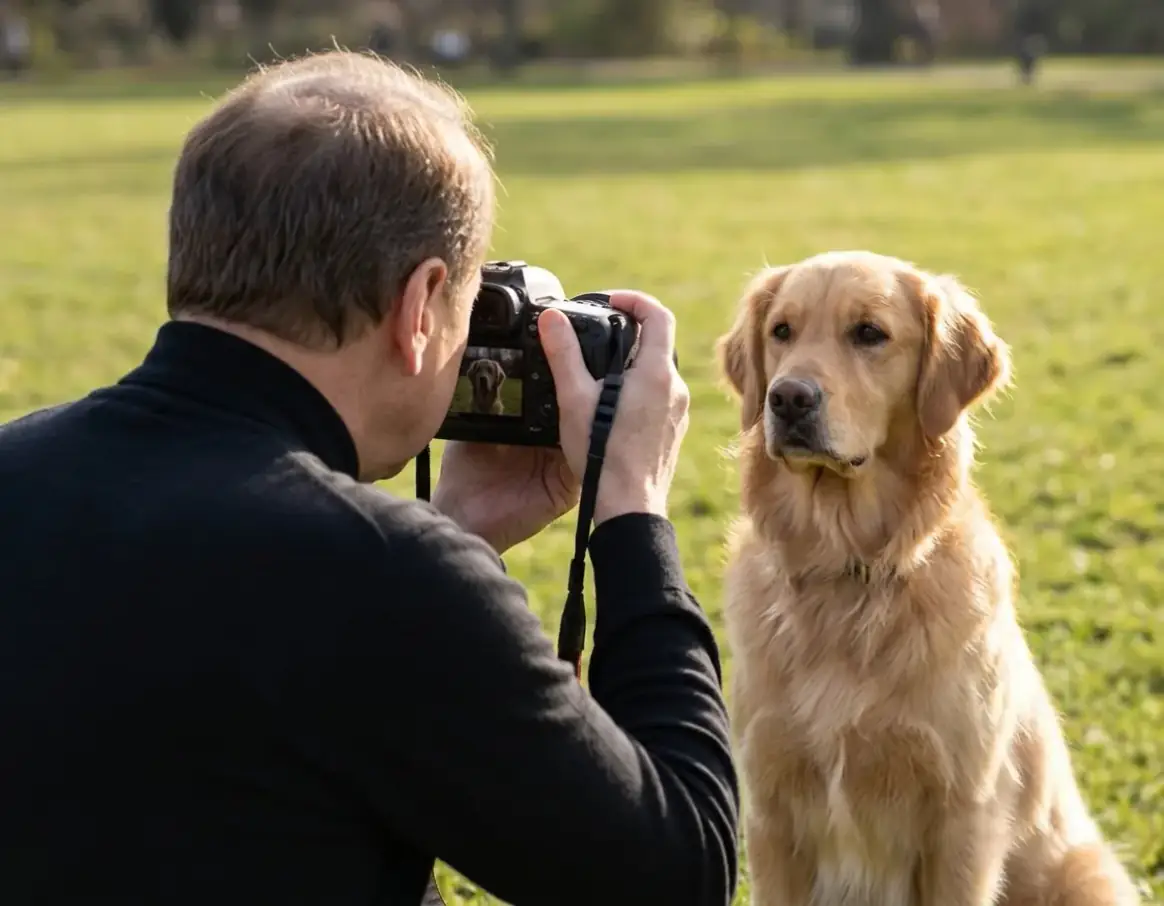
About the Author
Chris McCarthyProfessional Dog Photographer · Rockland, MA · 11+ years experience
I've photographed hundreds of dogs across the South Shore and Boston since 2014 — every breed, size, age, and temperament. My own rescue, Sully, was reactive and anxious when I got him, and working with him every day taught me how to photograph dogs that other photographers find difficult. I specialize in reactive and shy dogs, seniors, and memory sessions — the sessions that matter most and need the most patience.