Beagle Photography: Working With the Nose, the Ears, and the Expression
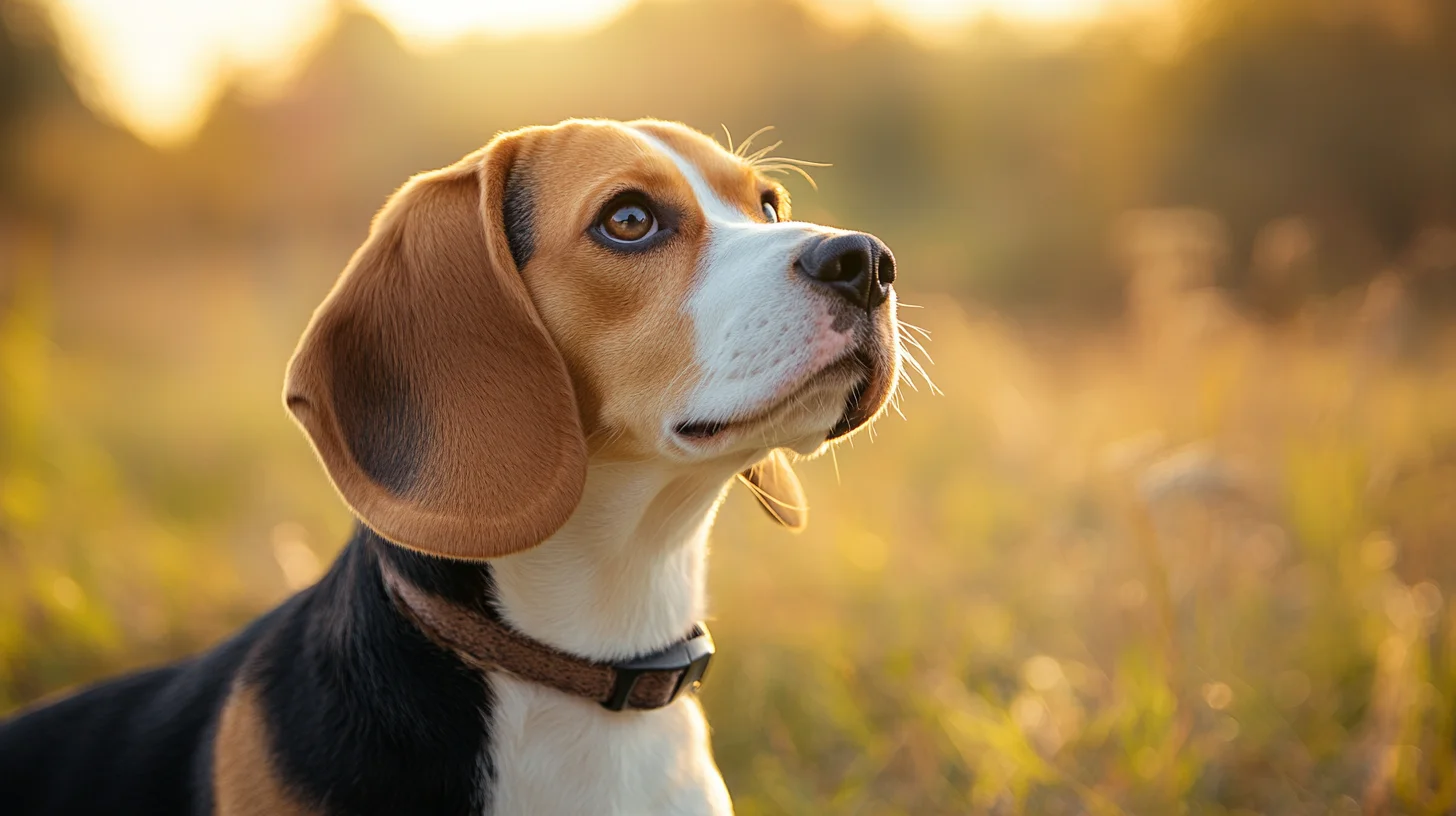
Beagles are scent hounds first and foremost. Everything about how they move through the world — nose down, following an invisible trail, filtering out everything that isn't smell — is completely opposite to what makes a good portrait subject. And yet Beagle portraits, when they work, are among the most expressive and emotionally resonant dog portraits I make.
I've photographed enough Beagles on the South Shore to know that the key is never forcing them into a frame they don't want to occupy. You have to meet the dog where its instincts already are, and then find the portraits inside that reality. The result — when you get it right — is a dog portrait that feels genuinely alive, because the dog actually is fully alive in the moment you capture it.
The Scent Drive — Why Beagles Are Hard to Photograph
Beagles follow their nose with single-minded focus. Outdoors, the world is a thousand overlapping scent trails and the dog is fully occupied processing them. The head stays low. The expression is distracted. The dog's attention is never on you. This is the central challenge of photographing a Beagle anywhere outside of a controlled indoor environment.
The solution is not trying to fight the scent drive — it's using it. I let Beagles sniff freely at the start of every session. Ten, fifteen minutes of just following the dog as it works through the location, building my own understanding of how it moves and where it tends to pause. This initial exploration period isn't wasted time — it's information-gathering for me and stress-reduction for the dog.
Then I work with the moments of alert curiosity that happen when a novel scent appears suddenly. The head-up, ears-forward, nose-twitching moment just as a new smell arrives is one of the most expressive Beagle expressions there is. It lasts two to four seconds. You need to be positioned, focused, and ready before it happens — because you cannot trigger it deliberately and you won't get a second chance on the same stimulus.
I carry a small kit of novel scent sources for Beagle sessions: a plastic bag with a piece of smoked meat, a cloth that's been rubbed with dried leaves from a different location. Used sparingly — once per session — these can produce the head-up alert expression on demand. The trick is deploying the scent stimulus when I'm already in position and ready to shoot.
The Ears — Camera Height and the Drop
Beagle ears are long, wide, and pendant — they hang down past the jawline and frame the face. From above, they disappear into the sides of the head and the dog looks oddly narrow-faced. From straight-on at dog eye level, they frame the face beautifully. This is one of the clearest cases in dog photography where camera height directly determines whether the breed looks like itself.
I photograph Beagles low — camera at their eye level or below — to give the ears visual space in the frame. This usually means lying down or crouching very low, which is worth the discomfort. The ear set is part of what makes a Beagle recognizably a Beagle in a portrait, and shooting from above destroys it.
The ears often move subtly when the dog is alert: they lift slightly at the base and the tips swing forward. It's a small movement but visible, and it corresponds exactly to the moment of focused attention I'm trying to capture. Watching the ear position is one of my cues for when to fire — when both ears rise slightly and come forward, the expression is there.
Backlight works particularly well with Beagle ears — the thin skin lights up slightly from behind, creating a warm rim effect that separates the ear from the background and adds dimensionality to the portrait. Sunrise and late afternoon sessions give me backlight opportunities without harsh overhead shadows.
Managing the Leash — All Sessions Are On-Leash
Beagles have very strong recall failure potential outdoors. Unlike most breeds where I can work off-leash in appropriate open areas, Beagles should always be leashed outside a fully enclosed space. The scent drive is simply too strong — a Beagle that hits an interesting trail will follow it and not respond to recall until the trail ends or the dog gets exhausted. In unfenced South Shore locations, this is a safety issue, not just a logistical one.
This means working the leash out of frame in every image, which requires positioning, timing, and occasionally some creative cropping. In practice it rarely affects the final images — most clients are surprised at how clean the portraits look given that the dog was leashed throughout. The techniques I use include having the handler hold the leash low and behind the dog's body line, using the dog's own body to block the leash from frame, and timing the shutter to moments when the leash has natural slack.
I always discuss leash management during the pre-session consultation so handlers know what to expect and how to position themselves. A well-briefed handler who knows how to hold the leash and where to stand makes leash removal from the frame almost effortless in post-processing.
Best South Shore Locations for Beagles
Open meadow with a controlled perimeter works well — the dog can follow scents through grass without the stimulation overload of dense woodland. Dense forest trails give Beagles too much to process and the head-down sniffing posture dominates entirely. Open meadow keeps the dog engaged with the environment but also gives me longer sight lines and better light.
Ames Nowell State Park in Abington is one of my preferred Beagle locations. The meadow sections have good open light, the perimeter is manageable, and the varied terrain — grass, dirt paths, pond edges — gives the dog enough sensory variety to stay engaged without being overwhelmed. The early morning light there in spring and fall is excellent.
The meadow sections of Borderland State Park in Easton and Sharon also work well. The open fields give me room to work and the Beagle room to move. The variety of scent environments — meadow, forest edge, pond banks — keeps sessions interesting without creating the chaos of a busy public trail.
I avoid busy beach environments for Beagle sessions. The combination of ocean scents, bird activity, other dogs, and wind creates so much sensory input that the dog cannot settle into any sustained state. The portraits from beach sessions tend to look frantic because the dog genuinely is overwhelmed. Quieter, more controlled environments produce better Beagle work.
For clients who want that coastal feel, I'll use locations with water elements — pond banks, stream crossings — rather than open beach. The dog gets the water interest without the full sensory assault of an active shore environment.
The Expression Worth Waiting For
The baying Beagle face — mouth open in the classic bay, eyes wide, ears lifted — is genuinely joyful and unlike any other expression in dog photography. A Beagle mid-bay looks like it's singing. I always try to trigger at least one vocal moment per session. The full hound cry expression is something you simply cannot get from any other breed.
Triggering a bay usually requires a specific kind of stimulation: another dog heard but not seen, a particular high-pitched sound, or occasionally the novel scent stimulus described earlier used at close range. When a Beagle bays, it bays with its whole body — the nose goes up, the chest expands, the ears lift. It's a full-body expression, and photographing it at eye level catches all of it.
Beyond the bay, I look for the soft moments: the Beagle at rest between sniff sessions, looking up briefly at its handler with liquid brown eyes. The contrast between the dog's intense working focus and these moments of soft connection is part of what makes Beagle portraits so emotionally varied. A session with a Beagle can produce images that look completely different from each other — intense alertness, joyful baying, soft connection — and that variety is one of the pleasures of working with this breed.
If you're considering a session for your Beagle, take a look at my Best Dog Ever session — it's designed specifically for breeds like Beagles that need an experienced photographer who understands how to work with their instincts rather than against them. And if you're still deciding on a location, my guide to the best dog photo locations on the South Shore covers the specific spots I recommend for scent-driven breeds.
Photographing a Beagle on the South Shore?
Sessions start at $395. I specialize in working with scent-driven breeds and know exactly how to get the best from your dog.
Book a session →Photographing a different breed? Browse the full breed directory for the full lineup.
“It was so fun and easy to work with Chris, and our dogs loved him, too! The photos and artwork are beautiful! Highly recommend booking a session.”
About the Author
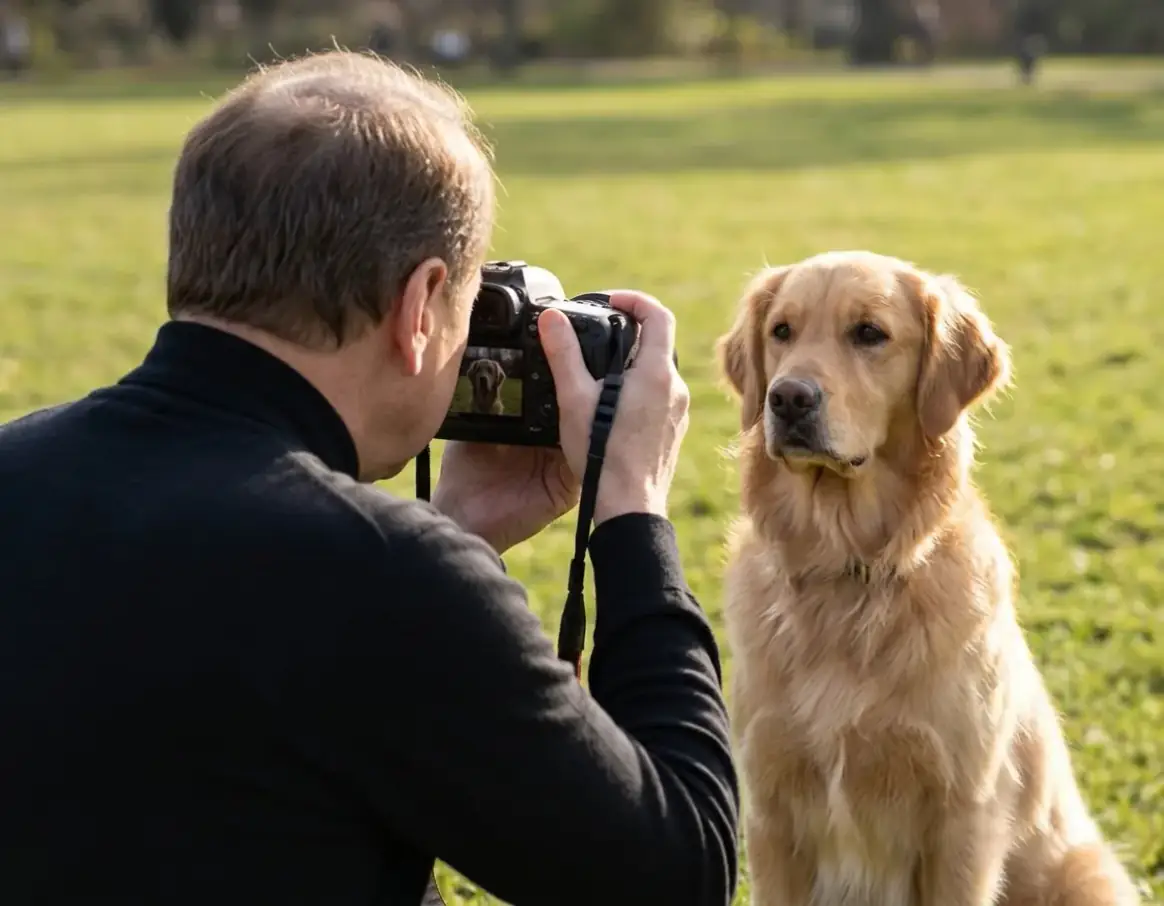
Chris McCarthyProfessional Dog Photographer · Rockland, MA · 11+ years experience
I've photographed hundreds of dogs across the South Shore and Greater Boston since 2014 — every breed, size, age, and temperament. My own rescue, Sully, was reactive and anxious when I got him, and working with him every day taught me how to photograph dogs that other photographers find difficult. I specialize in reactive and shy dogs, seniors, and memory sessions — the sessions that matter most and need the most patience.