The Emotional Side of Booking a Memory Session: A Guide for Owners Facing the Decision
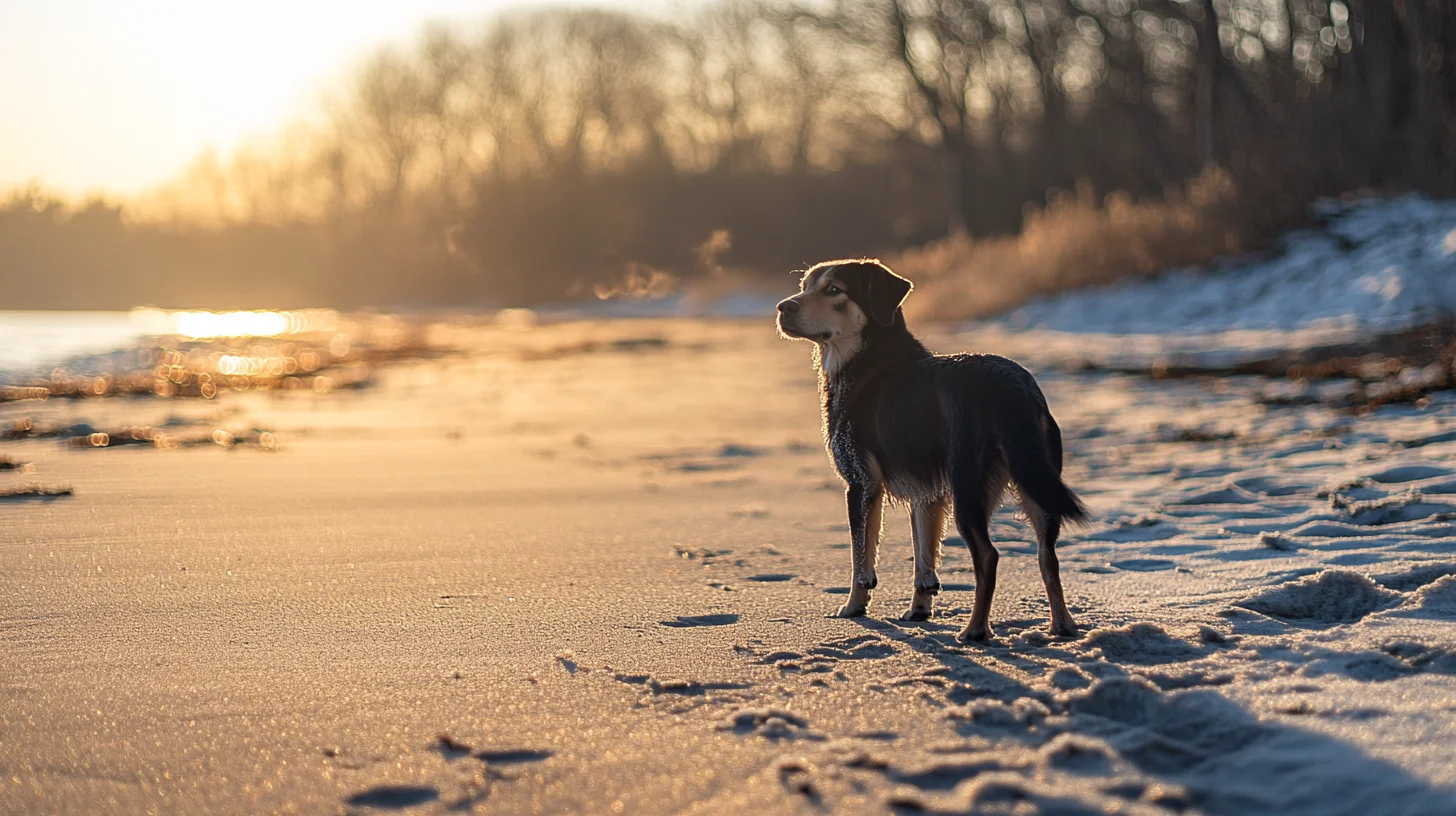
This is not the “what is a memory session and what does it cost” article — that's the memory sessions service page, where you can read the logistics, see images, and book. This article is for the part that comes before you book: the emotional weight of the decision itself.
In ten years of doing this work, I've learned that the biggest barrier to a memory session is almost never money, scheduling, or logistics. It's the emotional friction of saying out loud — to me, to your partner, to yourself — that you are running out of time with your dog. This article is meant to help with that part. The booking is easy. The decision to book is what people get stuck on.
1. The Fear That Stops Most Owners From Booking
The most common reason clients delay reaching out, by a wide margin, is a quiet superstition: that booking the session means accepting that the end is real. As if you can hold off the loss by refusing to plan for it. I've heard versions of this from dozens of owners, often through tears: “If I book it, it means I'm giving up.”
I want to name this gently and directly: this fear is the most common reason owners end up with no portraits of their dog at all. The fear feels protective in the moment, but it works against you. The vet's timeline doesn't change because you didn't schedule the photos. The only thing that changes is whether you have the photos when the time comes.
The way through, for most owners, is reframing what the booking means. Booking a memory session isn't accepting the end. It's giving the present chapter the weight it deserves while it's still happening. Your dog being photographed today doesn't shorten their tomorrow. It just means tomorrow you have today preserved.
2. “Too Soon” vs “Too Late” — How to Think About Timing
The owners I hear from most often are split into two camps: those worried they're booking too soon (“he still seems okay, am I being dramatic?”) and those worried they're booking too late (“she has maybe weeks, is there even time?”). Both worries are common and both are mostly wrong in the same direction.
On “too soon”: there is no such thing. A memory session three months before the end produces better images than one three weeks before — not because of anything technical, but because your dog has more of themselves left to give to the camera. If you're asking the question at all, the answer is now. The dogs who photograph beautifully in their final chapter are the ones whose owners didn't wait until the chapter was almost over.
On “too late”: it is essentially never too late to make a portrait that will matter. I've done sessions with dogs who could no longer walk, dogs who slept through most of the session, dogs photographed lying in their bed with their owner's hand on their head. Those portraits are not consolation prizes. They are some of the most powerful work I've produced, because they're honest about exactly where the dog is. Don't let “they're too sick” stop you. The session bends to the dog.
The only timing genuinely worth worrying about is calendar timing — my schedule and yours. Reach out as soon as you're thinking about it; we'll figure out a date that works for the dog's good days. The memory sessions page covers the priority-scheduling logistics.
3. Who Should Be at the Session — and Who Shouldn't
This is one of the most important decisions, and most owners haven't thought about it before I bring it up.
Should be there: the people whose hands belong in the photos. This is usually the dog's primary humans — partners, the kids who grew up with them, the housemate the dog imprinted on. Their physical presence in the frame is what turns the gallery from “a portrait of a dog” into “a portrait of a relationship.” Years from now, the images you reach for most are the ones with hands and faces alongside the dog, not the dog alone.
Shouldn't be there: anyone who will make the dog more anxious or whose grief is going to overwhelm the session. Sometimes that's an extended family member who means well but cries throughout. Sometimes it's a friend who wants to support you but stresses the dog. The dog reads the emotional temperature of the room, and a high-stress room produces tense portraits. It's okay to keep the circle small. People who love you will understand.
A note on children: kids who grew up with the dog should be there if they want to be — and you should ask, even young kids. Many adult clients have told me their deepest regret is not having photos of themselves as children with the dog they grew up with. Don't make that decision for your kids. Let them choose.
4. What to Bring (Emotionally and Physically)
Bring the things that mean something specific to your dog. The favorite blanket they've dragged everywhere for ten years. The tennis ball with the tooth marks. The collar they've worn since they were a puppy. The toy they ignore most of the time but get strangely attached to. These objects carry the specificity of your dog, not just any dog of their breed. They're what makes the gallery feel like it could only be about them.
Bring permission to cry. Most owners arrive at memory sessions trying very hard to hold it together. You don't need to. I've done a hundred of these sessions; nothing about your tears is going to surprise me, and the images are not worse for them. Sometimes the most powerful portrait of a session is a moment when the owner finally lets themselves rest their face against the dog's. Don't armor yourself out of those moments.
Bring questions you want answered. If there are images you've always wished you had — your dog asleep with you, your dog at the door waiting, the specific way they look up when you say their name — tell me before we start. I keep a mental list during the session and watch for those moments. Memory sessions are one of the few times I encourage owners to be specific about what they want, not vague.
5. The Hour After the Session
No one warns owners about the post-session crash, and almost everyone experiences it. The session itself is energizing — focused, present, deeply with your dog. The hour after is often when the weight of why you booked actually lands.
Plan for it. Don't schedule anything social or demanding for the rest of the day. Go home with your dog. Sit on the floor with them. Order food in. Cancel the dinner plans. The decompression takes hours, sometimes the rest of the day, and you don't want to be performing okay-ness for anyone you don't live with.
If you have kids who participated in the session, talk to them gently afterward. They feel the weight too, and they're often less practiced at processing it. A quiet activity together — a movie, a walk, takeout — gives space for whatever comes up.
6. The First Time You See the Gallery — and a Year Out
When the gallery arrives — usually two weeks after the session — give yourself a quiet moment to open it. Don't scroll it for the first time on your phone in a parking lot. Sit somewhere comfortable. Have something to drink nearby. Be ready to feel a lot at once.
Most owners describe the first viewing as a mix of grief and gratitude that they didn't expect to coexist. The grief is real. The gratitude is real. They sit alongside each other. Almost universally, owners tell me the same thing: “I'm so glad we did this.” I have never had a client tell me the opposite.
A year out, the relationship to the images shifts. The grief settles into a quieter ache, and the portraits become something you live with rather than something you brace against. Owners who've hung the wall art tell me they barely register it day-to-day for weeks at a time, and then one morning the light hits it and stops them in their tracks. That's the work doing what it's meant to do — not as a constant memorial, but as a quiet, permanent presence of the dog who was there.
Pro Tip
“Bring their favorite toy, their favorite blanket, the tennis ball they've carried for eight years. The familiar objects that are part of a dog's daily life add layers of specificity and meaning to portraits that a generic beautiful-dog-in-a-field image can't achieve. These details — the worn rope toy, the specific blanket they always dragged to their spot, the collar they've worn since they were a puppy — are the things you'll be most grateful for later. They make the image belong to your dog specifically, not just to any dog. Bring them.”
Common Emotional Questions
For pricing, scheduling speed, location options, and the standard logistical FAQs, see the memory sessions service page. The questions below are the ones owners ask me privately, off the FAQ page, that I think deserve direct answers.
My partner doesn't want to do this. What should I do?
This is more common than you'd expect. Often one person in a household needs the session and the other isn't ready to face it. My honest counsel: book it anyway, with the partner's knowledge and the offer for them to be there if they choose. The session can happen with one human in the frame; the other person almost always thanks you later. Forcing a partner to participate is usually wrong; postponing the dog's session because of the partner's timing is also usually wrong. Find a middle path.
I feel guilty thinking about photos when my dog is suffering. Is this selfish?
No. The session bends entirely to the dog — pace, location, length, the whole thing. A well-run memory session is not extractive of a sick dog; it's a quiet hour with their person in a familiar place. If the dog finds it stressful, we stop. The guilt you're feeling is a sign you're a careful owner, not a sign you're doing the wrong thing. Almost every owner feels this and almost every owner is grateful afterward.
What if I cry the whole time?
Then you cry the whole time. Nothing about this surprises me, and the photos are not worse for it — sometimes they're better. Some of the most powerful images I've made are owners with tears running down their face, holding their dog's head in both hands. That's real, and it's the relationship the photos exist to honor.
Should I tell anyone we're doing this beforehand?
Tell as few people as you need to. Some owners want the support; others find that announcing the session draws in well-meaning advice or grief from people whose own feelings then need to be managed. There's no obligation to share. The session is for you and your dog. Anyone who needs to know will know after.
I waited too long and I think we're past the window. Is there any point now?
Yes. There is essentially no “past the window” while your dog is still here. I've done sessions with dogs in the last days of their life, and the photos matter. If your dog is still with you, reach out. We'll figure out something that works for the dog's current condition. The decision is never “perfect session vs nothing” — it's “something honest vs nothing,” and something always wins.
If Your Dog Is in Their Final Chapter, Please Reach Out Now
Don't wait until the right moment — there is no right moment. There is only today. Contact me and we will find a time, whatever it takes. Memory sessions receive priority scheduling and I will make room in my calendar for you.
Learn more about Memory Sessions and what they include, or reach out directly to talk through your situation. There is no pressure and no obligation — just a conversation about your dog and what you need.
Keep Reading
SENIOR DOGS
Why Senior Dog Photography Is the Most Important Investment You'll Ever Make
Your senior dog won't be here forever. Learn why now — not someday — is the right time...
SESSION TIPS
How to Prepare Your Dog for a Professional Photoshoot
Six expert tips to help you get stunning, natural results from your dog's photo session...
MEMORY SESSIONS
How to Memorialize Your Dog
Memorial portrait planning — what to capture and creating wall art that honors your dog.
“It was so fun and easy to work with Chris, and our dogs loved him, too! The photos and artwork are beautiful! Highly recommend booking a session.”
About the Author
Chris McCarthyProfessional Dog Photographer · Rockland, MA · 11+ years experience
I've photographed hundreds of dogs across the South Shore and Boston since 2014 — every breed, size, age, and temperament. My own rescue, Sully, was reactive and anxious when I got him, and working with him every day taught me how to photograph dogs that other photographers find difficult. I specialize in reactive and shy dogs, seniors, and memory sessions — the sessions that matter most and need the most patience.