What to Wear for Your Dog's Photo Session: A South Shore Styling Guide
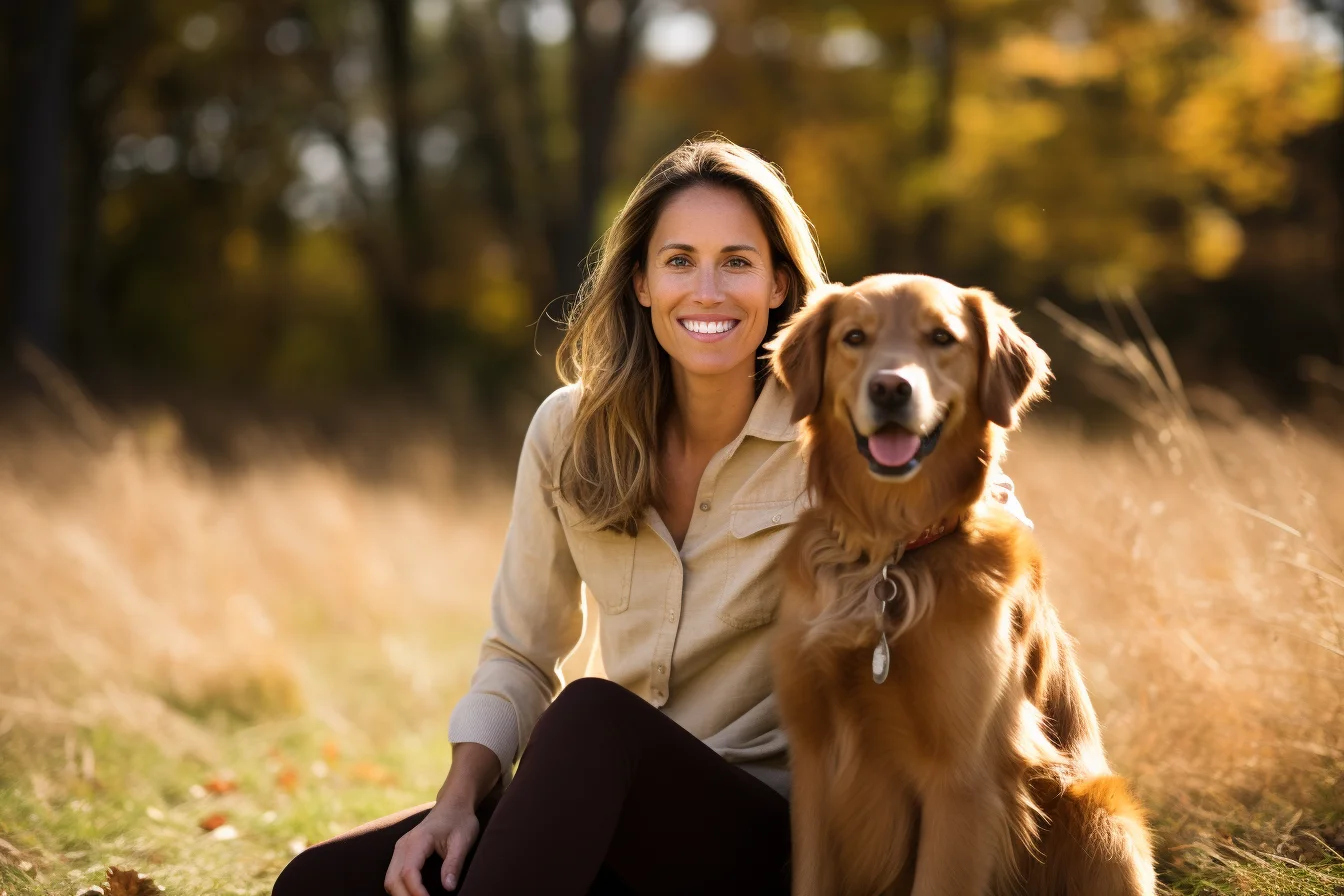
Many clients book a dog portrait session focused entirely on their dog — understandably — and then realize the day before the session that they'll be in some of the photos too and have no idea what to wear. It happens more often than you'd think, and it's completely understandable. The dog is the reason you booked, after all. But what you wear actually matters more than you might expect, especially for the joint portraits where you and your dog are in the frame together. Here's a practical guide to getting it right without overthinking it.
1. The Core Principle: You're in Support of Your Dog
The goal of a dog portrait session is your dog. When you're in the photos with them, you should be present, warm, and complementary — not competing for attention with a bright pattern or bold color that draws the eye away from your dog. This is not about you being invisible or unimportant. You absolutely belong in these portraits. But the visual hierarchy of the image should flow toward the dog first. Your presence should feel like it belongs there — grounding and warm — without becoming a competing focal point.
Think of your outfit as the frame for the portrait, not the subject. A beautiful frame enhances a painting without calling attention to itself. It should complement the mood and colors of the image without dominating them. The same principle applies here: what you wear should make the overall image feel cohesive and intentional, while keeping visual priority on the dog.
Understated is almost always better than a statement. A clean, solid-color layer in a neutral or muted tone will look good in every image across the session; a bold graphic tee will look fine in one and distracting in five others. When in doubt, go simpler. You can always add a layer or accessory, but a busy base layer is hard to work around once you're on location.
2. Colors That Work Well Outdoors on the South Shore
Earth tones are almost universally flattering in outdoor portrait settings on the South Shore. Olive, rust, tan, cream, camel, forest green, and warm burgundy are reliable choices that echo the natural landscape and look intentional rather than accidental. Whether we're at Hingham Harbor, World's End, the beaches in Scituate, or a wooded trail in Rockland, these tones harmonize with the environment rather than fighting it. Earth tones also have the quality of reading as “timeless” in photographs — they don't date the image the way trend-driven colors can.
Soft blues and grays work particularly well in coastal settings. They harmonize with the water, sky, and granite that appear regularly in South Shore beach and harbor sessions. A soft chambray blue, a heathered slate gray, or a navy crewneck are all excellent choices for a session at the water. They feel natural and unforced in that environment.
Muted, desaturated versions of most colors work better than their saturated equivalents. A dusty rose works where a hot pink wouldn't. A sage green works where a neon lime doesn't. The rule is roughly: if the color would look at home in a natural landscape, it will work in outdoor portraits. If it would stand out in a field or on a beach, it will compete with everything in the frame.
White and cream can look beautiful and are genuinely good choices, but they require some care. They're prone to overexposure in direct light, which can blow out the detail in that area of the frame. And — this is worth knowing before you get dressed — dog fur will be on you before the session is five minutes old, regardless of what you think. On white or cream fabric, fur from most coat colors is highly visible. Not a reason to avoid it, just something to factor in.
3. Colors and Patterns to Avoid
Bright neon or saturated primary colors compete with the natural environment and pull the eye strongly in any frame. Bright red, electric blue, and neon yellow are the most common problem colors I see at sessions. They're visually dominant — the brain goes to them first — and in a portrait where the dog should be the focal point, a bright jacket or top in one of these colors immediately creates competition for attention.
Black absorbs light similarly to a black-coated dog, which creates a specific problem. If you have a dark dog — a black Lab, a black-and-white Border Collie, a dark-coated mixed breed — wearing all black can cause both of you to blend together in the frame. The separation that makes the portrait work, the visual distinction between you and your dog, depends on some contrast between your clothing and their coat. If both are dark, that separation disappears and the image flattens.
Busy patterns introduce visual noise into a composition that should be focused on your dog. Large graphics, bold stripes, camouflage, and complicated florals all add elements that the eye has to process alongside the dog, the background, and the light. From a distance — and many of the most beautiful portrait shots are at a slight distance — patterns also compress into visual static. What looked like a tasteful floral print at full size becomes a confusing texture blob in a wider shot.
Large logos, brand names, and graphic text on clothing date photos quickly. In five years you'll likely love the portrait of you and your dog; you may feel differently about the large brand name on your chest. Keep clothing clean and unbranded where you can.
4. How to Coordinate with Your Dog's Coat Color
Think of your outfit and your dog's coat as the color palette of the portrait. They should be harmonious but not identical — you want complementary, not matching. The goal is an image where both of you look like you belong in the same frame, visually connected without visually merging.
Golden or red-coated dogs — Goldens, Irish Setters, red Aussies, Vizslas — look extraordinary against cooler, deeper tones. Earth tones, forest green, burgundy, and deep olive complement rather than compete. Avoid similar warm gold tones that will cause your outfit and your dog's coat to blend into each other in the frame.
White or cream dogs — Samoyeds, white Goldens, Maltese, Bichons — work best against stronger contrast. Navy, forest green, deep burgundy, and rich brown all provide separation. Wearing white or cream with a white dog is a coordination mistake: you'll blend together visually and the portrait loses definition at the edges where you meet.
Black dogs benefit from lighter, brighter tones that help with separation — light blue, cream, camel, soft white, forest green. The rim lighting at golden hour does a lot of the separation work, but starting with contrast in the clothing removes a variable. Wearing dark colors with a dark dog loses separation regardless of how good the light is.
Brindle, merle, or tricolor dogs are visually complex — they carry multiple colors in their coat, which means the image already has a lot going on. Simpler, more neutral outfits allow the dog to be the visual interest point. Let the coat be the interesting element and keep your clothing clean and understated.
Pro Tip
“Look at your dog's coat color and find the complementary color on a basic color wheel. A warm golden coat is complemented by cooler blue and green tones. A cool gray coat is complemented by warm rust and camel. Dress in the complementary range and you'll be creating unconscious visual harmony in every frame — without needing to overthink it.”
5. Practical Considerations for Outdoor Sessions
Dress for the conditions you'll actually be in — not the conditions you hope for. If your session is at a beach in March at 7am, dress warmer than you think. Cold and uncomfortable shows in photographs: stiff posture, forced smiles, pulled-in shoulders, eyes that aren't fully relaxed. I can work around a lot of things as a photographer, but I can't fix the physical signs of being cold. When you're comfortable, you relax, and relaxed people look dramatically better in photos than tense people.
Avoid anything you'd be upset about getting dirty. Sessions happen in real outdoor environments — sand, mud, wet grass, rocky beaches — and your dog will be on you at some point. This is actually part of what makes the photos feel alive and genuine. But it means your session wardrobe should be clothing you're comfortable getting grass on or having a wet nose pressed into.
Layers work well for a few reasons. A clean jacket over a neutral top gives you flexibility if the temperature changes during the session, which it can at beach locations on the South Shore where wind varies. Layers also give some visual variety between solo shots and joint shots — you can remove or add a layer between sections and have images that feel slightly different from each other without a full outfit change.
Footwear matters more than people expect. If we're at a rocky beach, closed shoes you can actually move in will keep you comfortable and let you focus on your dog instead of your footing. If we're at a sandy beach in warmer weather, bare feet or simple sandals look clean and natural in photos. Avoid shoes that will look out of place in the environment — formal footwear at a beach location always reads as incongruous.
6. FAQ: Your Outfit Questions Answered
Do I need to buy new clothes for the session?
No — the goal is clean, simple, and appropriately fitted. Most people already own something that works. A clean dark navy crewneck, a soft olive quarter-zip, or a simple cream sweater are all good starting points. If you want a second opinion before the day, send me a photo of what you're thinking and I'll give you honest feedback. It takes less than two minutes and removes the guesswork entirely.
Should I dress up or keep it casual?
Almost always casual. A formal outfit at an outdoor dog session usually looks mismatched — the relaxed, natural quality of the session and the South Shore environment doesn't harmonize with business attire or formal wear. The exception is if you specifically want a more formal portrait for a specific purpose — holiday cards that need a particular look, for example. In that case, tell me in advance and we can plan the session and location accordingly.
What if I have children in the photos as well?
For group photos that include children and the dog, coordinate loosely — similar tone range without being matchy-matchy. Having everyone in slightly different earth tones looks cohesive and intentional without looking staged or like you all ordered from the same catalog. A warm family of colors — olive, cream, camel, rust — across different people creates visual unity while still letting everyone feel like themselves.
Can I bring an outfit change?
Yes — particularly for longer sessions, a second outfit gives real variety in the final gallery. If you want to bring a second look, aim for something in a contrasting but complementary color from your first outfit. If you wore navy first, try a warm camel or olive second. The variety makes the gallery feel fuller and gives you more options for prints, gifts, and wall art later.
Not Sure What to Wear? Just Ask.
If you're unsure about your outfit, send me a photo of your dog and what you're thinking before the session. I'm genuinely happy to give a quick opinion — the goal is for you to feel confident on the day and for both of you to look great together in the final images.
Ready to book? A Best Dog Ever session includes guidance on everything from location to styling — so you can show up and focus on your dog while I handle the rest.
Keep Reading
SESSION TIPS
How to Prepare Your Dog for a Professional Photoshoot
Six expert tips to help you get stunning, natural results from your dog's photo session...
BOOKING GUIDE
What to Expect at Your First Professional Dog Photography Session
Here's exactly what happens from booking to receiving your final gallery — no surprises...
“It was so fun and easy to work with Chris, and our dogs loved him, too! The photos and artwork are beautiful! Highly recommend booking a session.”
About the Author
Chris McCarthyProfessional Dog Photographer · Rockland, MA · 11+ years experience
I've photographed hundreds of dogs across the South Shore and Boston since 2014 — every breed, size, age, and temperament. My own rescue, Sully, was reactive and anxious when I got him, and working with him every day taught me how to photograph dogs that other photographers find difficult. I specialize in reactive and shy dogs, seniors, and memory sessions — the sessions that matter most and need the most patience.