German Shepherd Photography: Capturing the Alert, Loyal Look
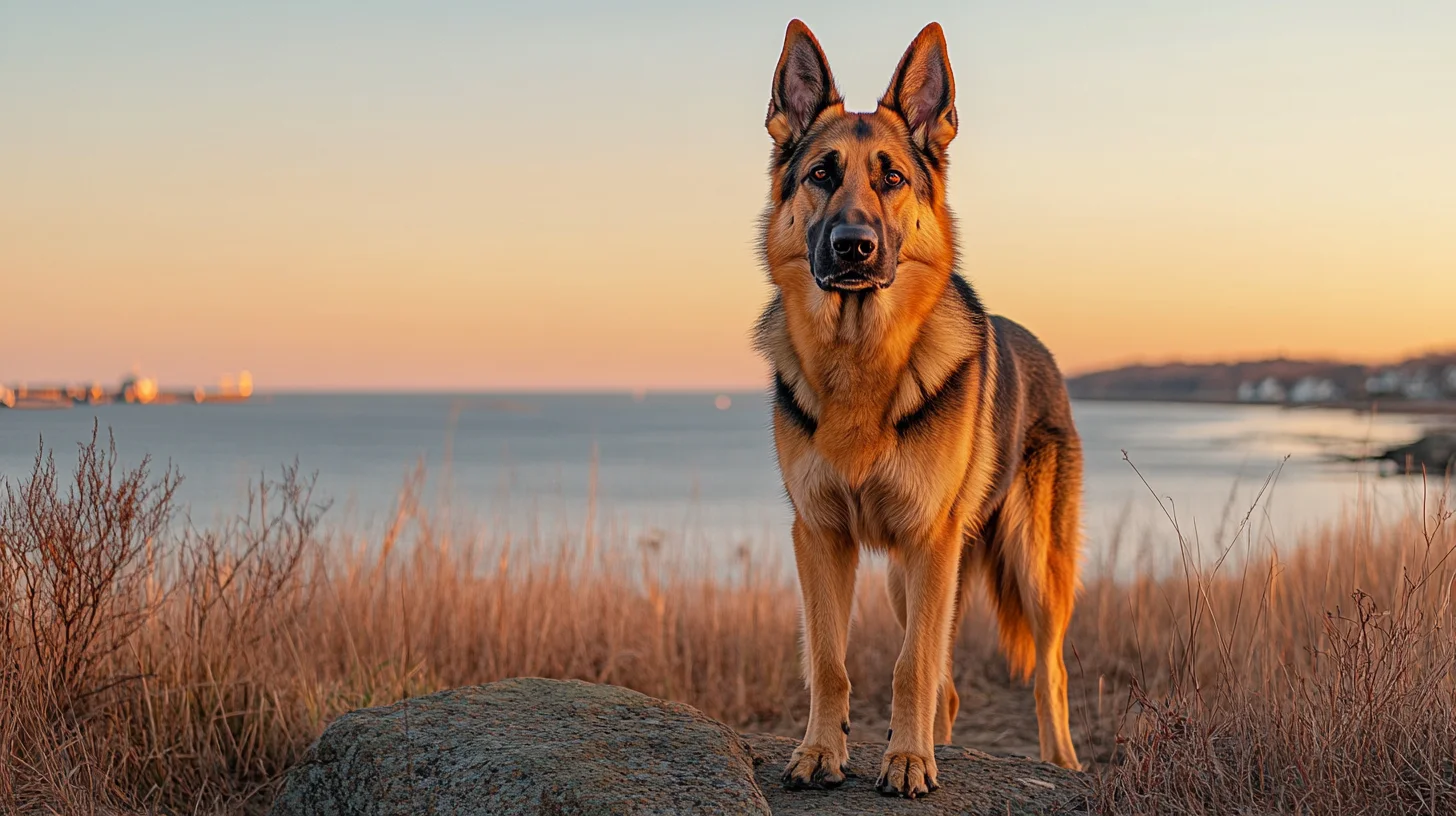
German Shepherds are among the most compelling portrait subjects in dog photography. The erect ears, the direct gaze, the strong jaw and the physical presence — a well-executed GSD portrait is genuinely powerful. But photographing a German Shepherd well requires something most breeds don't: you have to earn the portrait.
GSDs are not golden retrievers. They don't default to trusting strangers. A German Shepherd who hasn't decided you're safe will give you a tense, guarded expression — and that reads clearly in photos. Getting the real GSD look — alert and calm, present and engaged — requires building trust first. The photography comes second.
The Expression You're After
The signature GSD portrait expression is what I call "alert and at ease." Ears fully erect but relaxed — not pinned back. Eyes forward, direct, with bright catchlights. Mouth slightly open or relaxed shut, not panting in stress. Body posture square and grounded, not braced or tense.
This is the expression GSD owners see every day — the dog being themselves, watching over their family, fully present and secure. Getting it in a portrait requires the dog to be genuinely comfortable in the session. Not performing, not tolerating — actually relaxed and engaged.
Compare this to the tense version of the same expression: ears slightly back, eyes hard and suspicious, body stiff. It's a subtle difference in the dog's posture, but photographs don't lie about tension. You can tell immediately in a portrait whether the dog was at ease or performing.
Earning the Trust: How I Approach Wary GSDs
Many German Shepherds are one-family dogs. They're loyal to their people and naturally cautious around strangers — which is a feature of the breed, not a problem with your individual dog. When I arrive at a GSD session, I don't immediately walk toward the dog with my hand out. I sit on the ground, let the dog see me clearly, and do nothing.
No direct eye contact (which reads as confrontational to dogs who don't know you). No reaching toward them. No sudden movements. I stay low, stay calm, and let the dog make the choice about whether and when to approach. Most GSDs will come to me within 10–15 minutes of this approach. Some take longer. None have refused entirely.
Once the dog has investigated me and decided I'm acceptable, the session can actually start. This usually adds 20–30 minutes to the front end, which I always build into GSD session timing. The portraits that come out of that earned trust are worth every minute.
For GSDs who are truly reactive to strangers — not just cautious but actively anxious around new people — I adjust the approach further. The owner handles the dog entirely; I stay at a greater distance and gradually work closer over the course of the session. Some of my favorite GSD portraits have come from the most cautious dogs, because once they finally relax, the expression on their face is entirely real.
Technical Approach: The Coat and Exposure
The classic sable or black-and-tan GSD coat has significant tonal range. The dark saddle area and the lighter tan points on the face and legs are far apart on the exposure scale — bright sunlight can burn out the tan areas while leaving the dark saddle appropriately exposed, or correctly expose the face while losing the subtle color variation in the coat.
I expose for the face — specifically for the tan and rust areas around the eyes and cheeks — and use sidelight to create depth between the saddle and the points. The sidelight casts a gentle shadow along the edge of the saddle that separates it from the lighter coat beside it, giving the coat three-dimensionality rather than reading as two flat tones.
For long-coated German Shepherds — the Alsatian coat variant with the flowing mane and feathering — the same rim lighting technique I use for other long-haired breeds applies: sun behind and to the side, catching individual hairs and creating visible texture in the coat. Long-coated GSDs in golden-hour backlight are one of my favorite portrait subjects.
Location: Scale and Presence
German Shepherds look most natural in environments with scale — places where the dog's physical presence is matched by the visual environment around them. A GSD on a rocky coastal overlook looking out at the Atlantic, or standing on a forest ridgeline with depth of field stretching behind them, carries the kind of visual weight the breed actually has.
On the South Shore, my first recommendation for GSD sessions is Scituate's rocky coastline — the granite ledge, the lighthouse offshore, and the open Atlantic give the setting the same physical presence the dog has. World's End in Hingham offers a different kind of scale: elevated carriage roads with panoramic harbor views. Wompatuck State Park is excellent for forest depth — wide trails, tall trees, and varied terrain.
Photographing a German Shepherd on the South Shore?
Sessions start at $395. I've worked with wary and reactive GSDs throughout my career. Let's talk about your dog.
See the German Shepherd photographer page →Other Breed Guides
“It was so fun and easy to work with Chris, and our dogs loved him, too! The photos and artwork are beautiful! Highly recommend booking a session.”
About the Author
Chris McCarthyProfessional Dog Photographer · Rockland, MA · 11+ years experience
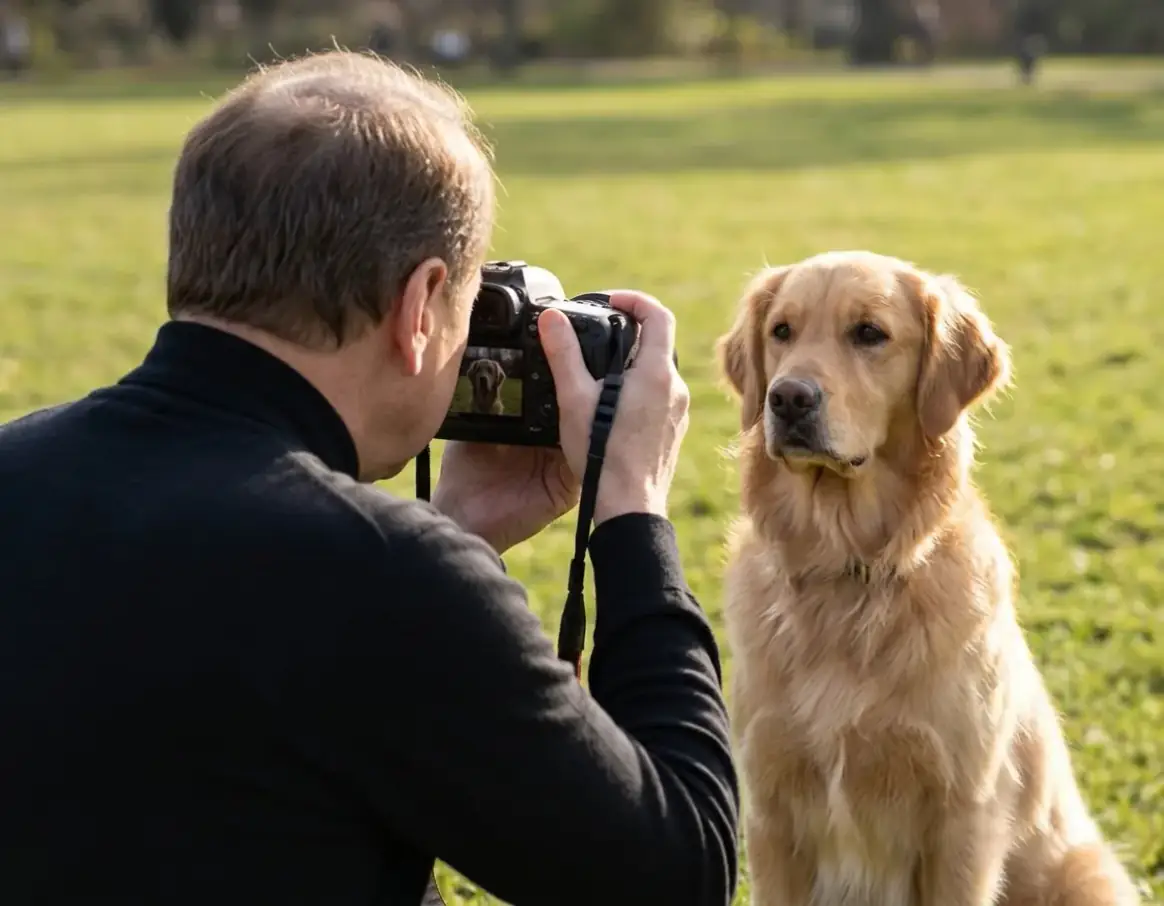
I've photographed hundreds of dogs across the South Shore and Greater Boston since 2014 — every breed, size, age, and temperament. My own rescue, Sully, was reactive and anxious when I got him, and working with him every day taught me how to photograph dogs that other photographers find difficult. I specialize in reactive and shy dogs, seniors, and memory sessions — the sessions that matter most and need the most patience.