Husky Photography: Blue Eyes, Dramatic Coats, and Why Winter Sessions Are the Best
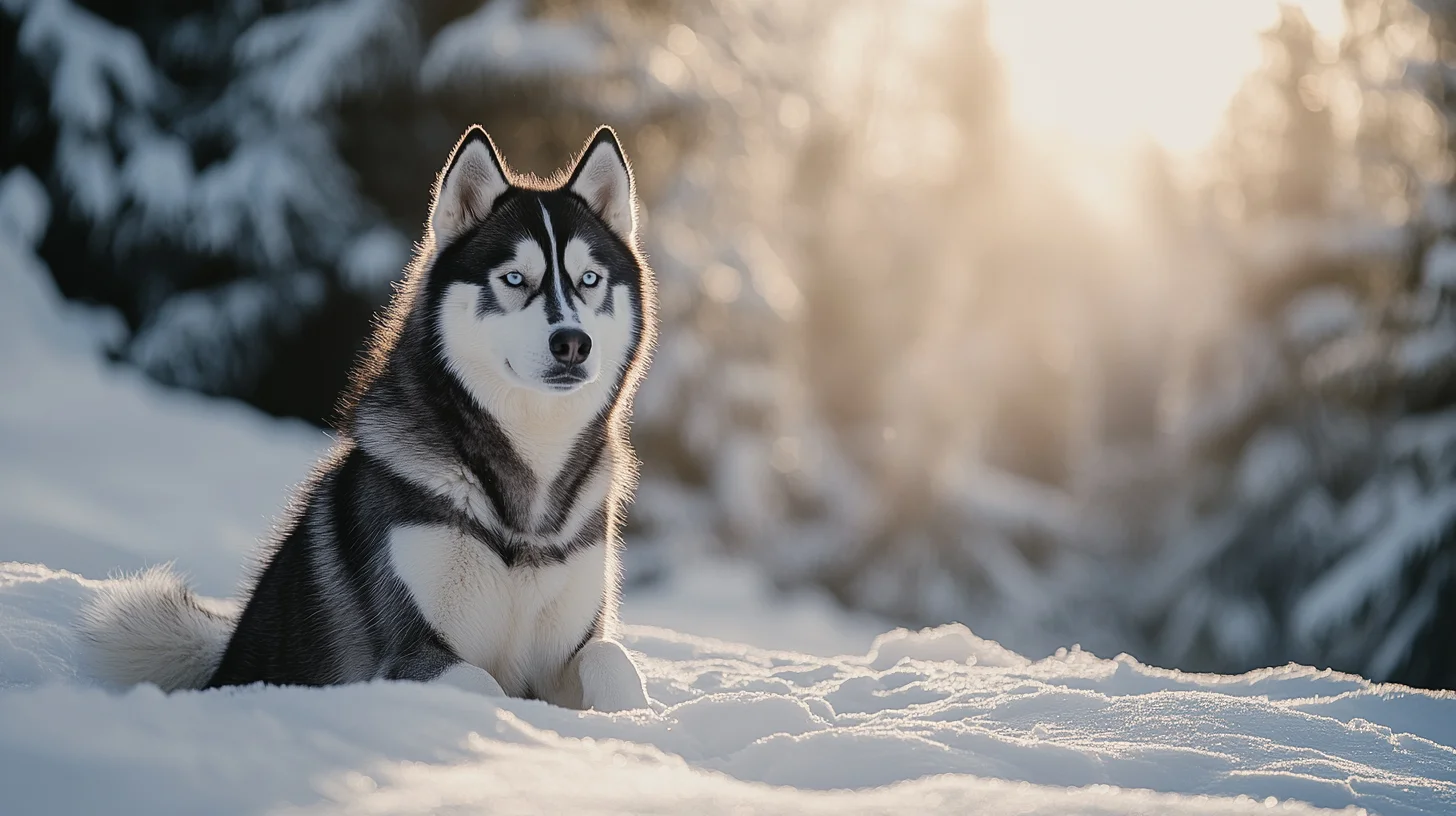
Siberian Huskies are visually extraordinary — and technically one of the more demanding breeds to photograph well. The blue or bi-colored eyes, the complex face markings, the thick double coat: each element requires specific decisions. When everything comes together, a Husky portrait is genuinely unlike anything else in dog photography.
The Double Coat: Side Light and Texture
The Husky double coat — dense soft undercoat plus longer, coarser guard hairs — has real depth and texture. Photographed in flat or frontal light, this collapses into a two-dimensional surface. The coat looks like a painted surface rather than something with dimension and life.
Low-angle side lighting is the solution. When light comes from one side at a low angle — early morning sun, late afternoon, or a low studio softbox — it catches the tips of the guard hairs and creates small shadows between them. The coat suddenly looks three-dimensional. You can see the individual hairs, the thickness, the variation in the undercoat colors. This is the difference between a technical image and an artistic portrait.
The classic black-and-white Husky coat is particularly striking in side light: the dark guard hairs create stark contrast against the light undercoat, and the transition zones where the colors blend become visible. In flat light, these transitions disappear.
The Eyes: Blue, Brown, and Bi-Colored
Blue Husky eyes are the first thing most people notice about the breed, and capturing them well is a specific technical challenge. Blue eyes in photography can appear light, washed-out, or even slightly milky if the light isn't positioned correctly. The goal is a vibrant, clear blue with a visible iris structure and a bright catchlight.
I position Huskies with the light source at roughly 45–60 degrees from the direction of gaze. This angle produces a clean catchlight in the upper portion of the iris, the blue color is well-illuminated without washing out, and the pupil creates strong contrast. The result is an eye that looks alive and vivid rather than pale and flat.
Bi-eyed Huskies — one blue, one brown — require careful attention to which eye is dominant in the frame. I position the more striking eye (usually blue) toward the camera and frame deliberately to feature it. Parti-eyed Huskies (split coloring within one iris) are among the most photographically extraordinary subjects I work with — the detail in those eyes at close range is genuinely remarkable.
Why Winter Is the Right Season
I recommend January through March for Husky sessions whenever possible. Cold weather does three things: it makes Huskies more alert and engaged (these are arctic dogs, and they genuinely respond differently in cold air — more focused, more energetic, more present in the frame), it brings out the full coat thickness (the double coat fluffs in cold air), and snow backgrounds create visual conditions that connect the dog to its origin.
A Husky in fresh snow, coat fully fluffed, blue winter light overhead, is one of the most visually powerful portraits I make. The cool, blue-gray winter light complements the Husky color palette in a way that warm summer light doesn't.
Summer sessions are the most challenging for Huskies. They overheat quickly and their motivation drops fast in warm weather. If you must do a summer session, schedule it in the first 60 minutes after sunrise, choose a shaded or wooded location, and plan for a shorter session than you would in cooler months.
Photographing a Husky on the South Shore?
Sessions start at $395. The eyes, the coat, the winter light — let's make portraits that do your Husky justice.
See the Husky photographer page →Other Breed Guides
Related guide: Husky Tails, Snow Nose & Breed Quirks — husky breed-specific quirks worth capturing — tail curl and seasonal snow nose.
“It was so fun and easy to work with Chris, and our dogs loved him, too! The photos and artwork are beautiful! Highly recommend booking a session.”
About the Author
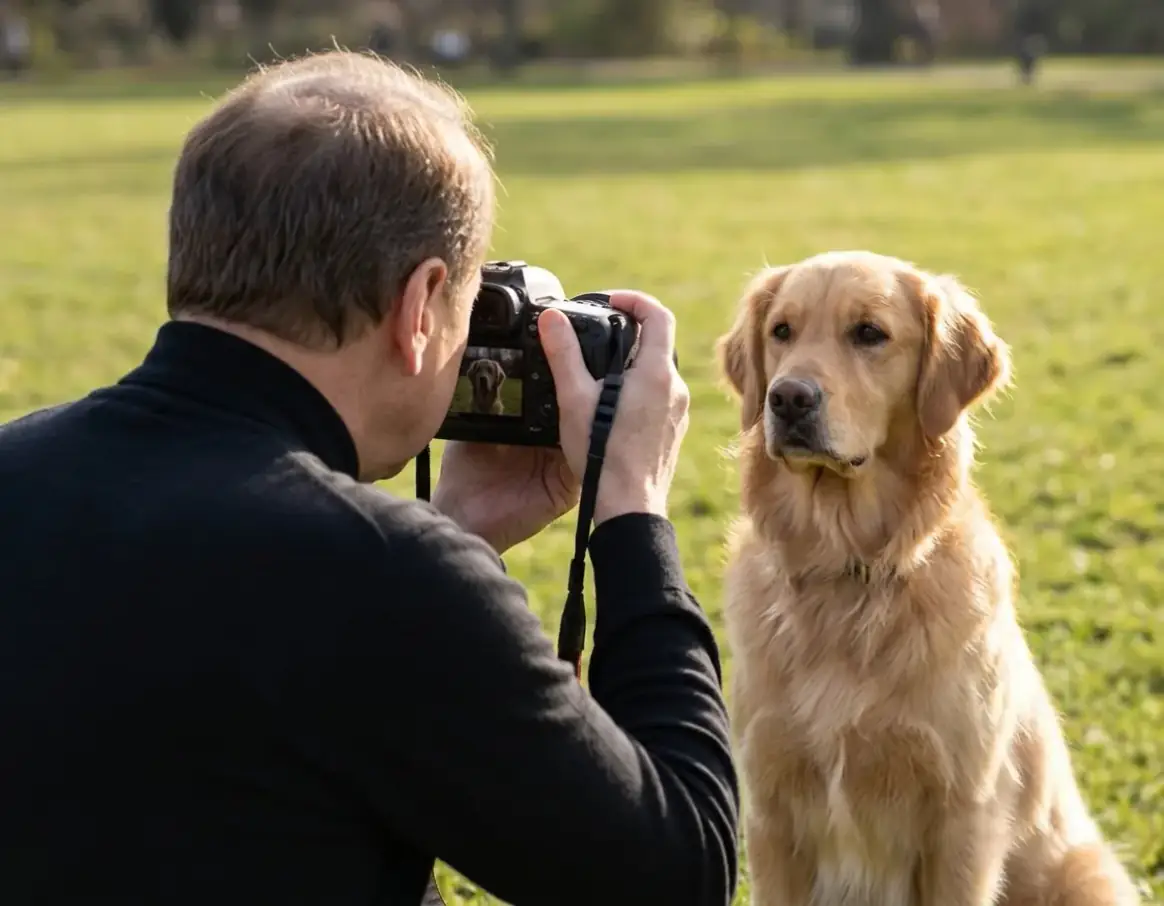
Chris McCarthyProfessional Dog Photographer · Rockland, MA · 11+ years experience
I've photographed hundreds of dogs across the South Shore and Boston since 2014 — every breed, size, age, and temperament. My own rescue, Sully, was reactive and anxious when I got him, and working with him every day taught me how to photograph dogs that other photographers find difficult. I specialize in reactive and shy dogs, seniors, and memory sessions — the sessions that matter most and need the most patience.