Bernedoodle Photography: How to Capture the Tricolor Coat
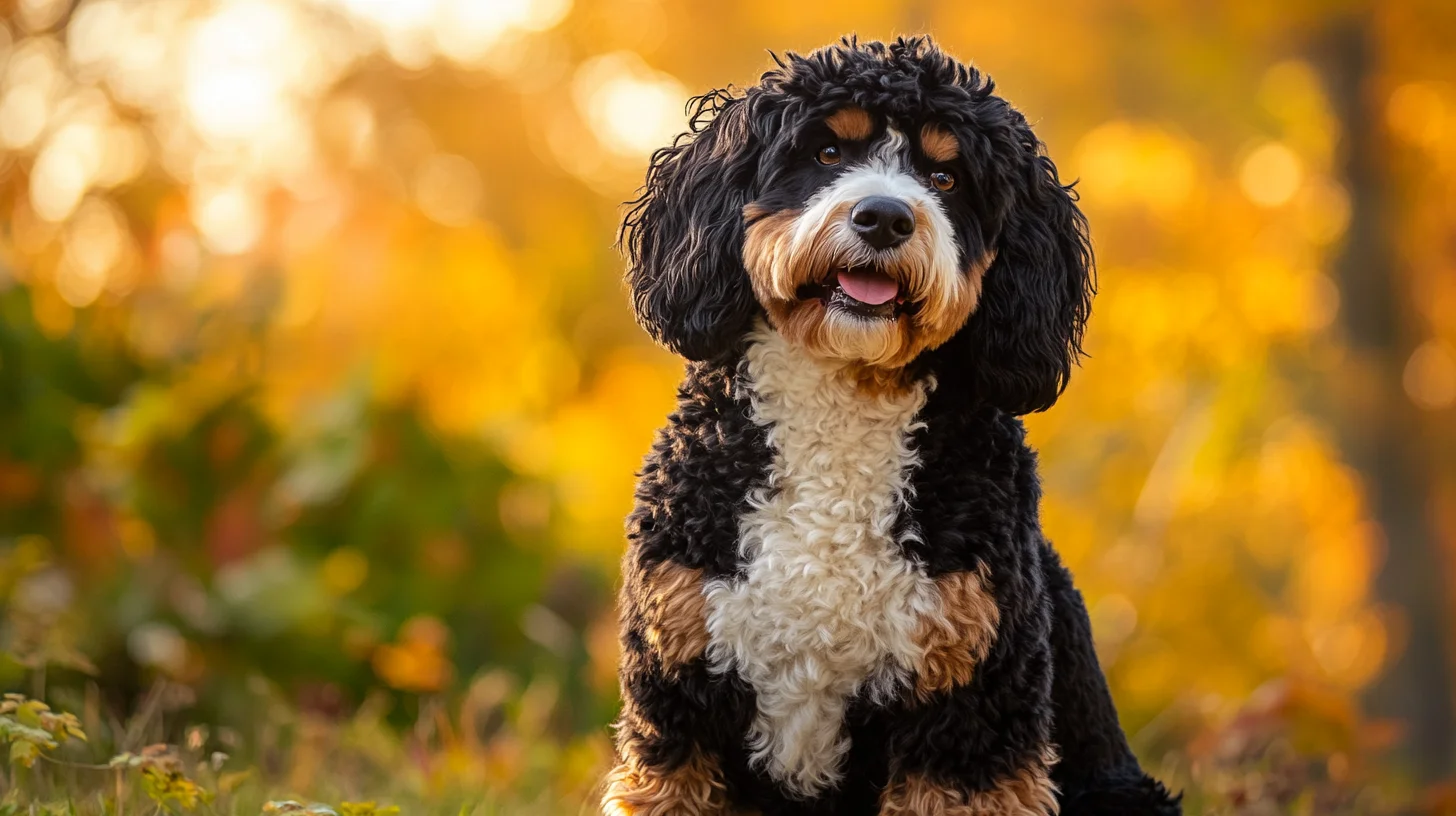
Bernedoodles are one of the most visually striking dogs I photograph. The tricolor coat — black saddle, white chest and blaze, rust/tan points on the face and legs — is genuinely beautiful. But I've also seen a lot of Bernedoodle photos that don't do the breed justice: the black areas are dark blobs, the white areas are blown out, and the rust points have disappeared into the midtones.
The tricolor coat creates a specific exposure challenge that requires deliberate technique. Here's what I do differently for Bernedoodle sessions.
The Tricolor Exposure Problem
Every camera meter tries to average the scene to a neutral gray. On a tricolor dog, this creates an almost impossible situation: the white areas and the black areas are at opposite ends of the exposure spectrum. If you expose for the white, the black loses all detail and becomes a flat dark shape. If you expose for the black, the white areas blow out. The rust/tan points — being midtone — often come through okay regardless, but they get lost when the other zones are fighting.
My approach is to spot-meter on the dog's face — specifically the rust/tan area around the eyes and cheeks, which is where expression lives. This ensures the face is correctly exposed and readable. The black saddle will be slightly underexposed and the white chest slightly overexposed from this reading, but I compensate for both in post-processing by recovering highlight detail in the white areas and lifting shadow detail in the black.
This is a manual workflow that requires shooting in RAW format and editing deliberately. The end result is a portrait where all three color zones retain meaningful detail simultaneously — which is what your eye sees when you look at the dog in person.
Rim Lighting and the Wavy Coat
Like all doodle coats, the Bernedoodle's wavy or curly fur needs rim lighting to show definition. In flat, overcast, or direct frontal light, the waves compress into an indistinct mass — the coat reads as a flat shape rather than three-dimensional texture.
Rim lighting — sun positioned behind and slightly to the side of the dog — outlines each wave and curl individually. This technique is standard for golden retrievers and doodles, but it works differently on tricolor dogs: the rim light catches the white areas with particular brightness while the black areas appear deeper by comparison. The rust points pick up warm tones from the backlight. The result is a coat that looks multi-dimensional and genuinely textured.
The timing requirement: first 90 minutes after sunrise for outdoor sessions. The low sun angle is essential — midday sun creates harsh top-down light that emphasizes the black saddle while flattening everything else.
Why Fall Is the Best Season for Bernedoodles
I recommend fall sessions to every Bernedoodle owner who contacts me. Here's the reason: the amber, orange, and rust tones of peak fall foliage echo the rust/tan points in the tricolor coat. The color relationship between the dog and the environment creates a natural visual harmony that's hard to achieve in other seasons.
Spring and summer green backgrounds are beautiful with many breeds but work against Bernedoodles — the cool green tones fight with the warm rust points rather than complementing them. The warm amber light of fall does what spring and summer light can't: it wraps the dog in tones that match rather than conflict.
On the South Shore, peak foliage typically runs from mid-October through early November. Borderland State Park in Sharon and Easton is my first recommendation for Bernedoodle fall sessions — the mixed hardwood forest has excellent color and the light under the canopy stays warm through the morning. Norwell's conservation areas along the North River also have outstanding fall color in a more open setting.
Energy Management for Bernedoodles
Bernedoodles vary widely in energy level depending on generation. F1 crosses (first-generation Bernese Mountain Dog × Poodle) tend to be calmer and more tractable than F1Bs with more Poodle. The Poodle energy and drive can be significant in some bernedoodles — high intelligence combined with high drive creates a dog that needs real engagement to focus.
For high-energy Bernedoodles, I use the same approach I use for other doodle breeds: burn off the energy first. Start the session by letting the dog explore and move freely — I get action shots during this period. After 15–20 minutes, most bernedoodles settle into a more workable state. The best portraits often come once the initial excitement has passed and the dog is genuinely comfortable in the environment.
Photographing a Bernedoodle on the South Shore?
Sessions start at $395. Fall sessions especially recommended for the tricolor coat. Let's talk about your dog.
See the Bernedoodle photographer page →Other Breed Guides
Related guide: Goldendoodle Photography on the South Shore — sister doodle breed — curly-coat lighting and goldendoodle session technique.
“It was so fun and easy to work with Chris, and our dogs loved him, too! The photos and artwork are beautiful! Highly recommend booking a session.”
About the Author
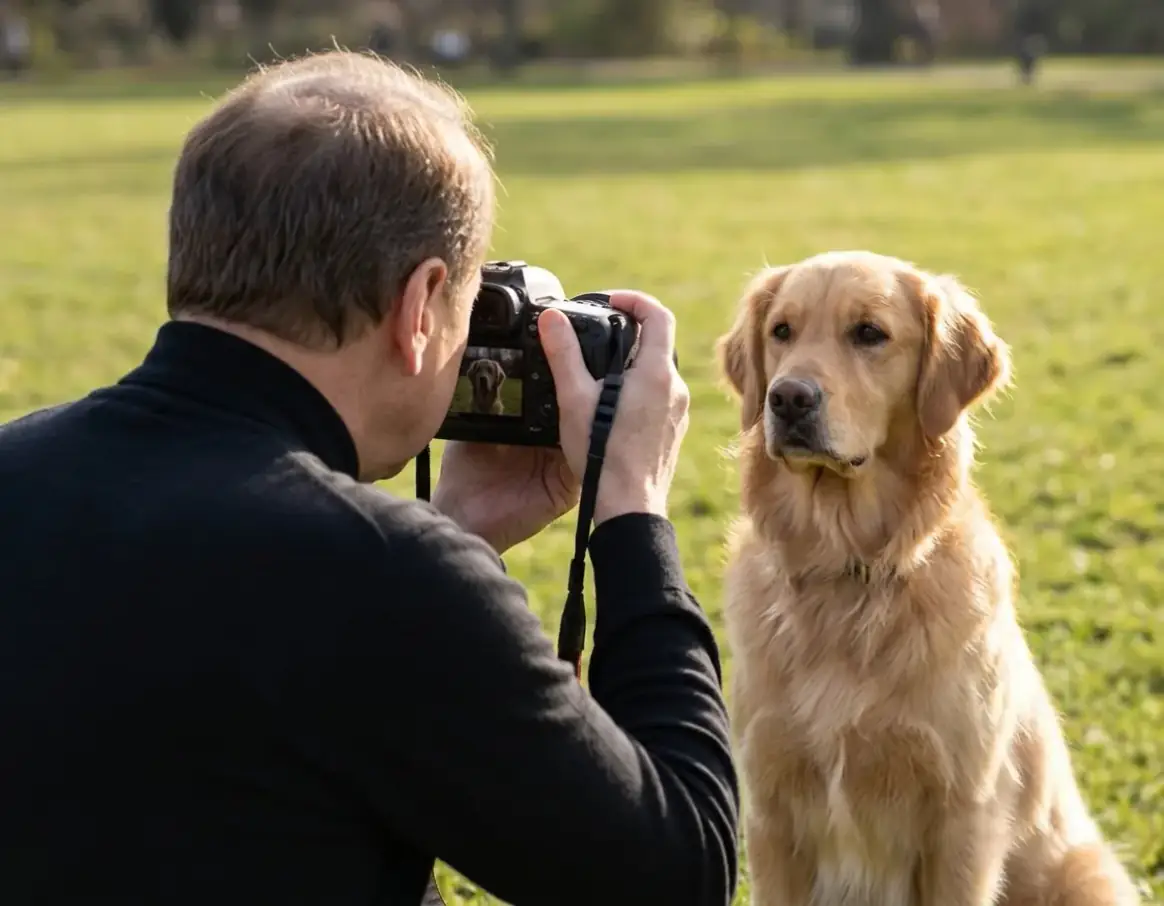
Chris McCarthyProfessional Dog Photographer · Rockland, MA · 11+ years experience
I've photographed hundreds of dogs across the South Shore and Boston since 2014 — every breed, size, age, and temperament. My own rescue, Sully, was reactive and anxious when I got him, and working with him every day taught me how to photograph dogs that other photographers find difficult. I specialize in reactive and shy dogs, seniors, and memory sessions — the sessions that matter most and need the most patience.